WWe now live in a high-speed business world, events are not just gatherings—they are strategic power plays. They showcase your brand, engage key stakeholders, and cement your market position. Yet too many organizations treat events as boxes to tick, focusing on logistics instead of impact. The consequence? Missed opportunities, forgettable experiences, and diluted brand influence.
The truth is, every detail matters. From the moment an invite lands in an inbox to the final post-event follow-up, your event tells a story about who you are and what you stand for. Weak branding or unclear positioning doesn’t just fail to impress—it actively undermines credibility. In markets like Africa, where reputation and relationships drive business, that’s a cost no organization can afford.
Event Branding is More Than a Logo
Event branding isn’t just signage, swag, or a backdrop. It’s the story your organization tells at every touchpoint—before, during, and after the event. Strong branding creates credibility, builds trust, and positions your organization as a thought leader. Weak or inconsistent branding, on the other hand, leaves attendees unclear about your identity and message.
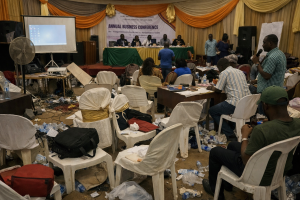
Disorganized event setting
Across Africa, where relationships and reputation drive business, a poorly branded event can cost more than just money—it can cost influence. Every interaction, from invitations to digital engagement, must reinforce who you are and what you stand for.
Event positioning: The Strategic Advantage
Event positioning defines how your audience perceives the event and, by extension, your organization. Too often, events are generic, attracting the wrong audience or generating little lasting impact. A strategically positioned event aligns with your business goals, showcases expertise, and creates meaningful engagement.
Effective positioning allows organizations to:
Showcase thought leadership through panels, speakers, and curated content.
Build credibility with stakeholders and partners.
Drive engagement that leaves a lasting impression.
Generate measurable outcomes from media coverage to partnerships and leads.
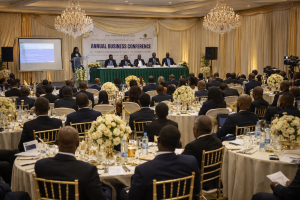
Event with intentionality at the core
How to avoid Common event’s Pitfalls
Our experience with clients across sectors shows that organizations often:
Do not treat events as one-off activities rather have integrated brand strategies. Do not neglect the attendee journey, resulting in disconnected messaging, overlook pre and post-event communication, losing reinforcement opportunities, ignoring design and digital integration, undermining professionalism, measure success only by attendance, ignoring brand recall and partnership potential. These oversights have negative impact
Unlocking Event Value
Maximizing event impact requires integration. Branding and positioning must align with your organization’s identity and strategic objectives. Key strategies include:
-Develop a branding guide for consistency across visuals, messaging, and experiences.
-Define the event’s positioning purpose, target audience, and desired outcomes.
–Integrate offline and digital experiences for a seamless brand journey.
–Leverage media and thought leadership opportunities to amplify reach.
Implement post-event engagement to convert interactions into lasting relationships
Call to Action
There are hidden cost to ignoring event branding , when events are done wrong , organizations always miss vital opportunity for brand branding as well as positioning. It takes skills to turn event into a branding win
Do you need help with your event, reach out info@gpgconsult.comelcome to WordPress. This is your first post. Edit or delete it, then start writing!
g