In the world of conferences, summits, and large-scale gatherings, there is a quiet truth that many organizers hesitate to admit: most events start with great promise but end up losing their “mojo” somewhere along the way.
Even when the idea is strong, the speakers are credible, and he venue is impressive. The program looks solid on paper. Yet when the event finally happens, something feels off. The room energy dips. Conversations feel forced. Attendees begin checking their phones. By the second panel session, the excitement that once surrounded the event has faded.
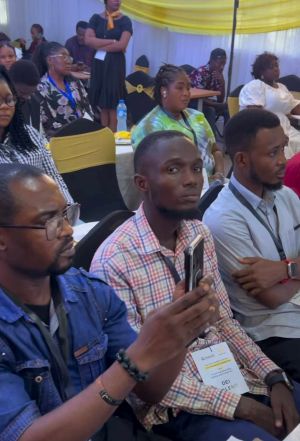
As someone an organization (made up of professionals) who had spent years observing and participating in global convenings, we have seen this pattern repeat itself across industries, regions, and sectors. The loss of an event’s “mojo” rarely happens by accident. It usually stems from a few common mistakes.
What do we mean ‘losing event’s ‘mojo’?
Losing event’s mojo” is majorly the loss of energy, relevance and excitement it should command. This is often due to a combination of predictable, small-scale failures, lack of strategic purpose, and human psychological factors like familiarity and burnout especially when this affect guests
Let us therefore look at some salient factors that can lead to this
1. The event becomes about the organizers, not the audience
One of the fastest ways to drain life out of an event is when it is designed primarily to satisfy the organizers’ agenda rather than the audience’s expectations.
Too often, programs are built around institutional priorities—who needs visibility, which partner deserves a speaking slot, or which senior executive must appear on stage. While these considerations are understandable, they can crowd out what truly matters: the experience of the participants.
Attendees come to events for insight, connection, and inspiration. When sessions become ceremonial rather than meaningful, the energy disappears quickly. The best planners constantly ask a simple question: What will participants gain from this moment? If the answer is unclear, the session probably does not belong on the agenda.
2. Too many speeches, not enough conversations
Another reason events lose momentum is the overreliance on long speeches and predictable panel discussions. Let’s be honest most audiences today do not want to sit through a parade of presentations. Attention spans are shorter, expectations are higher, and the world moves faster. What people truly value is interaction. They want to challenge ideas, exchange perspectives, and engage with people who see the world differently.
Great events feel alive because they create space for dialogue. This could be through moderated discussions that actually provoke debate, small-group conversations, roundtables, or even informal networking moments that are intentionally designed. When people feel they are part of the conversation rather than passive observers, the energy of the event changes completely.
3. The program is packed, but the experience is empty
Many organizers assume that a full agenda equals a successful event. In reality, the opposite is often true.
An overstuffed schedule leaves little room for reflection, connection, or spontaneous interaction. Participants rush from session to session without ever absorbing what they have heard.
Ironically, some of the most memorable moments at events happen outside the formal program in the hallway conversations, the unexpected introductions, or the informal debates over coffee.
Experienced planners understand that designing an event is not just about filling time slots. It is about shaping an experience. Sometimes that means slowing the pace down.
4. The story of the event is unclear
Every great event has a narrative. There is a clear reason why people have gathered, and the sessions build upon one another in a way that feels purposeful. But when the theme is vague or disconnected from the program, the event begins to feel like a collection of unrelated conversations.
Participants struggle to see the bigger picture. Speakers repeat the same points. The audience leaves unsure about what the event was truly trying to achieve. Events regain their “mojo” when there is a clear storyline from the opening remarks to the closing reflections. When every session contributes to that narrative, the experience feels intentional and coherent.
5. Energy is not designed it is assumed
Perhaps the most overlooked factor in event planning is energy. Energy does not magically appear because people gather in the same room. It has to be cultivated. Lighting, stage design, room layout, music, pacing, and even the order of speakers all influence how people feel. A brilliant keynote placed after three heavy technical panels may not land the way it should.
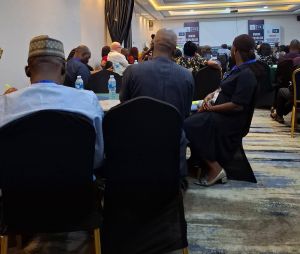
The best event planners think like experience designers. They understand that emotional rhythm matters just as much as intellectual content. They ask themselves: When will the audience feel excited? When will they reflect? When will they connect? Those moments are not accidental. They are carefully crafted.
How to bring the event’s Mojo Back
When events lose their spark, it is rarely because of a lack of effort. Most organizers work incredibly hard. The challenge is not effort it is perspective.
The most successful events begin with a different mindset: they are designed from the attendee’s point of view, built around meaningful interaction, and structured around a clear purpose. In other words, they remember that events are not simply about information.
They are about experience. And when that experience is thoughtfully designed, the “mojo” never disappears it becomes the very reason people cannot wait to come back next year.